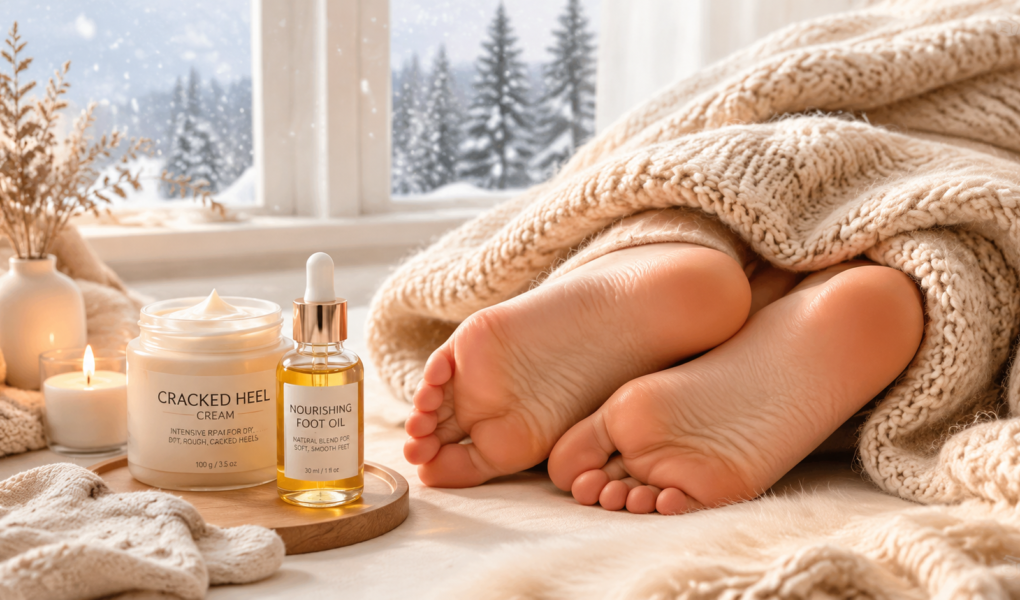
Winter Foot Care Tips: All Season, Keep Your Feet Soft, Smooth, and Free of Cracks : Winter is cozy, but if you’re not careful, it can also dry out your skin, crack your heels, roughen your soles, and give you painful cuts. We often pay more attention to our faces than to our feet, which are often hidden away in socks and shoes. They need more care now than ever before.
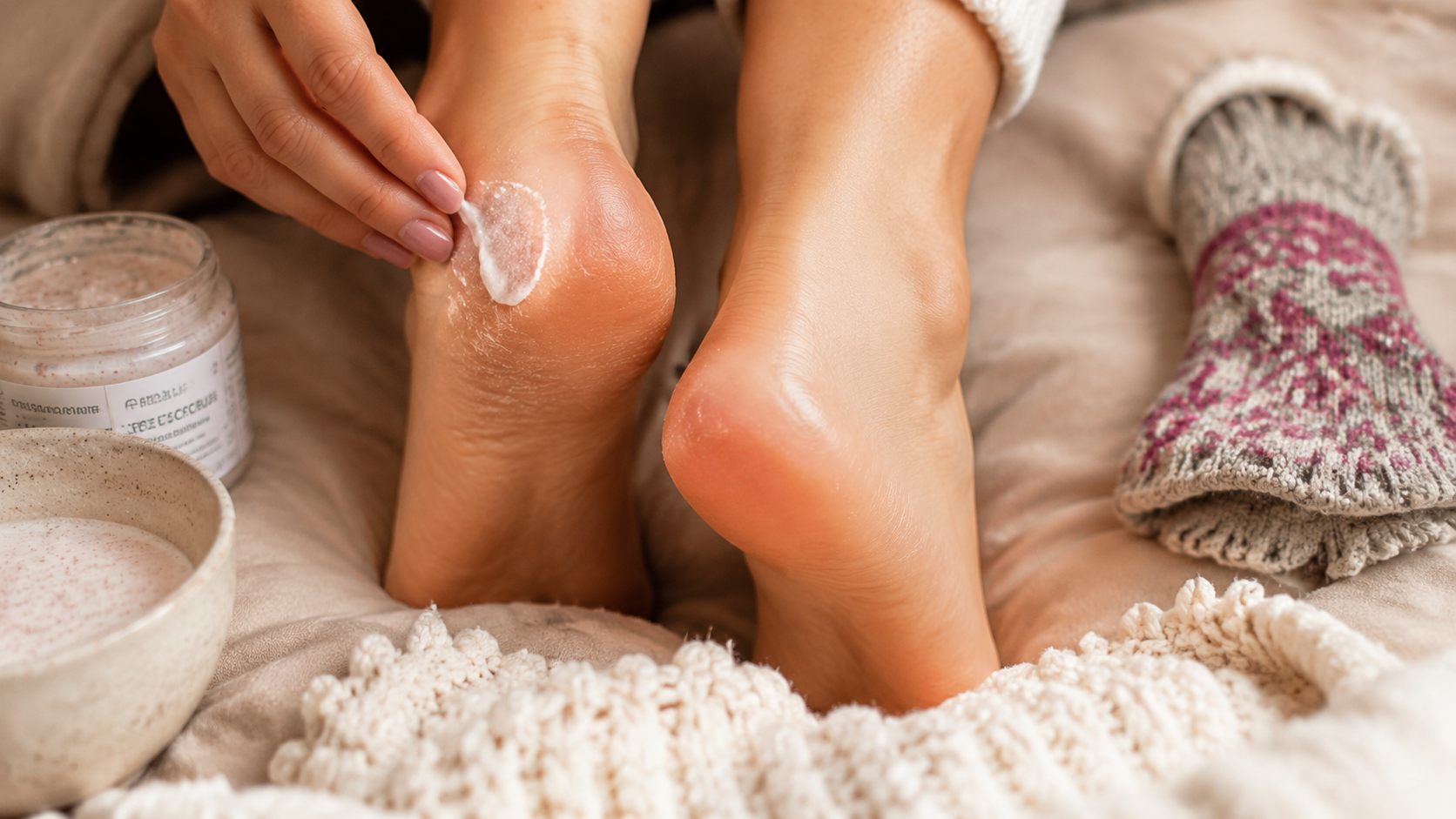
This blog serves as your friendly winter foot-care guide. It’s written by someone who wants your feet to stay soft, smooth, and confident all season long. Let’s explore the most practical and easy-to-follow winter foot care tips you can start today!
1. Hydrate Your Feet Daily (The Ultimate Winter Rule)
Why it matters: Cold winds and heaters inside can dry things out. Your feet don’t have as many oil glands, so they dry out quickly. A daily moisturizing routine will help keep your skin from peeling, getting rough, and cracking.
What to use:
Select a foot cream that contains:
- – Shea butter
– Glycerin
– Hyaluronic acid
– Petroleum jelly
– Urea (great for cracked heels)
How to apply (expert tip):
Warm the cream between your palms, massage it from toes to heels, and lock in moisture with socks.
Practical Takeaways:
- – Moisturize every night before bed.
– For extremely dry feet, use slugging. Apply a thick layer of petroleum jelly and wear cotton socks overnight.
– Avoid water-based lotions. Opt for creamy, balm-like formulas.
2. Weekly Foot Exfoliation (Say Goodbye to Dead Skin)
Why it matters:
Dead skin tends to build up faster in winter. This leads to cracking, peeling, rough patches, and dullness. Gentle exfoliation keeps your feet smooth and helps moisturizers work more effectively.
Types of exfoliation:
- – Physical exfoliation:
– Foot files
– Pumice stone
– Scrubs with sugar or coffee
– Chemical exfoliation:
– AHA or BHA foot creams
– 10-20% urea lotions
– Lactic or glycolic acid creams
Expert Tip:
Don’t aggressively exfoliate dry skin. Soak your feet in warm water for 10 minutes before using a pumice stone.
Practical Takeaways:
- – Exfoliate once a week.
– For cracked heels, choose a 10% urea combined with lactic acid.
– Avoid harsh foot peels in winter, as they can dry your skin further.
3. Wear Cotton or Wool Socks (Avoid Synthetic Fabrics)
Why it matters:
Socks trap moisture, but synthetic fabrics can cause sweat to accumulate, leading to odor, infections, and dryness.
Best sock materials for winter:
- – Cotton
– Wool
– Bamboo fabric
These materials keep your feet warm while allowing them to breathe.
Expert Tip:
If your feet sweat a lot, sprinkle baby powder or foot powder before putting on socks.
Practical Takeaways:
- – Change socks daily.
– Choose breathable and moisture-wicking fabrics.
– Avoid tight socks, as they can block blood circulation.
4. Winter Foot Soaks (For Relaxation and Deep Softening)
Why it matters:
A warm soak softens the skin, boosts blood flow, and helps loosen dead cells. It’s a spa-level treatment you can do at home.
Simple Foot Soak Recipe:
Add the following to warm water:
- – 1 tbsp sea salt
– 1 tsp coconut oil
– 1 tbsp apple cider vinegar
– A few drops of lavender or tea tree oil
– 1 tbsp honey (optional for extreme dryness)
Soak your feet for 10-15 minutes.
Expert Tip:
Avoid very hot water, as it strips natural oils and increases dryness.
Practical Takeaways:
- – Do this once a week.
– Pat dry immediately and moisturize.
– Add Epsom salt for muscle relaxation.
5. Keep Your Nails Short and Clean (Winter Nail Care Rules)
Why it matters:
Long nails can trap sweat, dirt, and bacteria. During winter, toenails may become brittle, leading to breakage or infection.
Expert Nail Routine:
- – Clip nails in a straight line to avoid ingrown nails.
– Use a soft nail file.
– Apply cuticle oil 3-4 times a week.
– Avoid cutting cuticles, as they protect against infections.
Practical Takeaways:
- – Always trim nails after a warm shower when they are softer.
– Moisturize cuticles with almond or coconut oil.
– Use anti-fungal powder if you are prone to infections.
6. Avoid Walking Barefoot on Cold Floors
Why it matters:
Cold flooring can cause skin tightening and cracking. It also reduces blood circulation in your feet, making them stiff and dry.
Practical Takeaways:
– Wear slippers or warm socks indoors.
– Choose soft, cushioned footwear.
7. Use Heel Repair Creams for Dry, Cracked Heels
Why it matters:
Ignoring winter cracks can lead to painful cuts. Heel repair creams with urea (10-25%), lactic acid, or salicylic acid are the most effective.
Expert Tip:
Apply heel cream, wear cotton socks, and leave it on overnight.
Practical Takeaways:
- – Opt for medicated creams if cracks are deep.
– Avoid over-scrubbing cracked skin, as this can worsen wounds.
– Use paraffin wax dips 1-2 times a week for extremely dry heels.
8. Don’t Overuse Hot Water (A Secret Cause of Dry Feet)
Why it matters:
Although hot baths feel good, they strip natural oils, leading to flaky, itchy, and stretchy skin.
Practical Takeaways:
- – Use lukewarm water.
– Moisturize immediately after bathing.
– Avoid harsh soaps or strong detergents on your feet.
9. Winter Foot Masks and Overnight Treatments
Why it matters:
Foot masks act as deep-conditioning treatments for your feet. They hydrate, soothe, repair, and brighten the skin.
DIY Deep Moisture Foot Mask:
Mix together:
- – 1 tablespoon aloe vera
– 1 teaspoon olive oil
– 1 teaspoon honey
– A pinch of turmeric (optional)
Apply, wear socks, and keep on overnight.
Ready-Made Foot Masks:
Look for masks that contain:
- – Shea butter
– Coconut oil
– Niacinamide
– Lactic acid
– Olive oil
– Ceramides
Practical Takeaways:
- – Use overnight masks twice a week.
– Choose masks that are rich in oils and butters.
– These are great for softening rough soles.
10. Stay Hydrated (Internal Moisture Matters Too)
Why it matters:
Dry skin is not just an external problem. Dehydration reduces the skin’s moisture content, leading to dry and rough feet.
Practical Takeaways:
- – Drink 7-8 glasses of water daily.
– Include warm herbal teas, infused water, or coconut water.
– Eat healthy fats, such as almonds, walnuts, ghee, and avocados.
11. Choose the Right Winter Footwear
Why it matters:
Tight shoes can cause friction, leading to dryness, corns, and calluses. Poor footwear can also lead to cuts that heal slowly in winter.
Practical Takeaways:
- – Opt for breathable shoes.
– Avoid plastic or hard materials.
– Use soft padded insoles.
– Let boots air out after daily use.
12. Treat Foot Odor the Right Way
Why it matters:
Winter sweat, combined with closed shoes, leads to odor and bacteria buildup.
Foot Odor Solutions:
- – Use anti-fungal sprays or powders.
– Soak your feet in tea water, as tannins can help control sweat.
– Add baking soda to shoes overnight.
Practical Takeaways:
- – Keep shoes dry.
– Always wear clean socks.
– Avoid wearing the same boots every day.
Conclusion:
Keep Your Feet Winter-Ready, Soft, and Happy
Your feet carry you every single day, and they deserve care—especially in winter when dryness and cracking are at their worst. With these simple yet effective winter foot care tips, you can enjoy soft, smooth, and healthy feet all season long.
If you found these tips helpful, share this blog or comment on your biggest winter foot problem—I’d love to help you personally!
FAQs
1. Why do feet crack more in winter?
Cold weather and low humidity strip natural oils, leading to dryness. When skin loses elasticity, it cracks, especially on heels.
2. How many times should I moisturize my feet in winter?
At least once a day, but for very dry feet, moisturize in the morning and at night. Overnight moisturization works best.
3. Can Vaseline remove cracked heels?
Yes. Vaseline acts as an occlusive agent that locks in moisture. Apply a thick layer and wear socks overnight for the best results.
4. What is the best foot cream for winter?
Look for creams containing urea (10-20%), lactic acid, shea butter, glycerin, or petroleum jelly. They help repair cracks and keep skin soft.
5. Is it okay to exfoliate cracked heels?
Gentle exfoliation is fine, but avoid scrubbing deep cracks. First, soften the skin with warm water, then exfoliate lightly once a week .
ALSO READ :
How to Use Glycerin for Hands and Feet at Home : Easy Remedies For Dry & Cracked Skin
Daily Skincare Routine for Dry Skin : Hydrate, Glow, and Nourish Naturally