
Discover effective home remedies for winter foot care to heal cracked heels, dryness, and rough feet. Easy, natural tips from a skin expert. Remember, prioritising ‘Foot Care in Winter: Home Remedies for Soft’ is essential for maintaining healthy feet.
Why Winter Foot Care Matters :
Winter brings cozy sweaters and skincare routines, but it can be tough on our feet. Cold air, low humidity, hot showers, and tightly closed shoes can damage foot skin. This leads to dryness, white patches, cracked heels, itching, and sometimes painful fissures.
According to skincare experts, feet are often one of the most neglected parts of the body and can become dry, rough, and damaged more quickly without proper care. The good news is that you don’t need expensive pedicures or salon treatments to keep them healthy. With simple winter foot care remedies, you can restore softness, repair cracked heels, and maintain smooth, healthy feet throughout the season.
Ensure you prioritise ‘Foot Care in Winter: Home Remedies for Soft’ feet for the best results this season.
Implementing these remedies will ensure your feet remain soft and crack-free throughout the cold months.
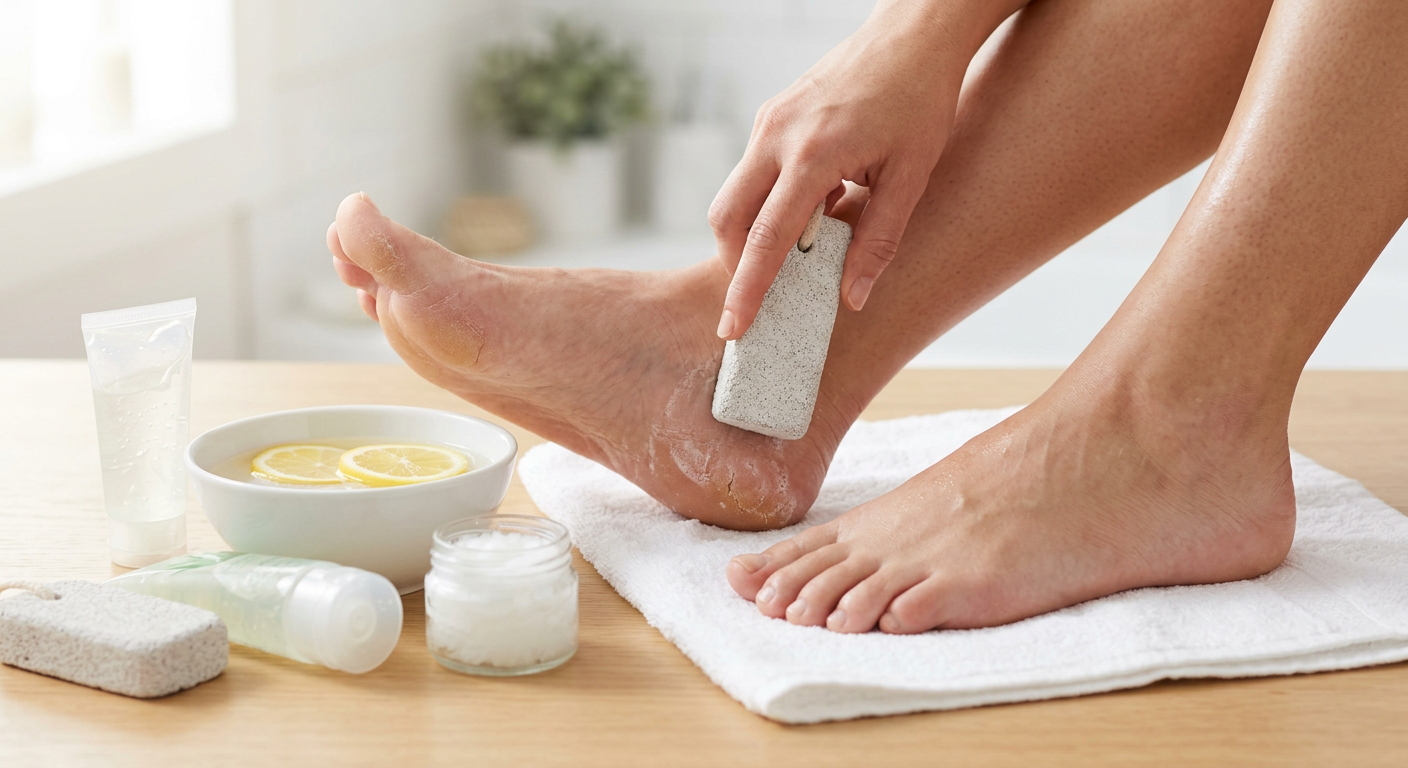
Effective Strategies for Foot Care in Winter: Home Remedies for Soft
Let’s explore this step by step, with practical tips supported by skincare experts .
Tip 1: Deep Moisturizing – The Foundation of Winter Foot Care
Why Moisture Loss Occurs in Winter
In winter, the skin barrier weakens due to low humidity. Feet have fewer oil glands, so they dry out faster than other parts of the body. Adding hot water and harsh soaps speeds up moisture loss.
Home Remedy: Glycerin and Rose Water
How to Use:
Mix 1 tablespoon of glycerin with 1 tablespoon of rose water.
Massage it onto clean feet before bed.
Wear cotton socks overnight.
Why It Works: Glycerin draws moisture from the air into your skin, while rose water soothes irritation and balances pH.
Practical Takeaway: Use this nightly to see softer feet in 5 to 7 days.
Tip 2: Healing Cracked Heels Naturally
Why Cracks Get Worse in Cold Weather
Dry skin loses flexibility. When walking pressure combines with dryness, heels crack and may bleed.
Home Remedy: Banana and Coconut Oil Mask
How to Use:
Mash 1 ripe banana.
Add 1 teaspoon of coconut oil.
Spread a thick layer on your heels.
Leave it for 20 minutes, then rinse with lukewarm water.
Why It Works: Banana is rich in potassium and vitamins that help repair damaged skin, while coconut oil deeply heals cracks.
Practical Takeaway: Apply this three times a week to heal visible cracks without chemicals.
Tip 3: Gentle Exfoliation – Remove Dead Skin Without Damage
The Mistake in Winter Exfoliation
Many people scrub too harshly in winter, believing they need pressure to address roughness. This actually worsens cracks and inflammation.
Home Remedy: Sugar and Honey Scrub
How to Use:
Mix 1 tablespoon of sugar with 1 tablespoon of honey.
Gently massage onto damp feet for 2 to 3 minutes.
Rinse and moisturize immediately.
Why It Works: Sugar gently removes dead skin, while honey is antibacterial and healing.
Practical Takeaway: Exfoliate only once a week during winter.
Tip 4: Overnight Foot Masks – Winter’s Secret Weapon
Why Night Care Works Better
At night, skin regenerates more effectively. Covering your feet helps the ingredients sink in deeper.
Home Remedy: Petroleum Jelly and Vitamin E
How to Use:
Apply a thick layer of petroleum jelly.
Pierce 1 vitamin E capsule and mix it in.
Wear cotton socks overnight.
Why It Works: Petroleum jelly locks in moisture, while vitamin E helps repair skin barrier damage.
Practical Takeaway: Do this 3 to 4 nights a week for softer feet.
Tip 5: Healing Foot Soaks
Why Hot Water Is Problematic
Hot water strips natural oils and worsens dryness.
Home Remedy: Lukewarm Milk and Oats Soak
How to Use:
Mix 1 cup of milk with 2 tablespoons of oats in lukewarm water.
Soak your feet for 10 to 15 minutes.
Pat dry and moisturize.
Why It Works: Lactic acid in milk gently exfoliates, while oats soothe itching and dryness.
Practical Takeaway: Limit foot soaks to once a week in winter.
Tip 6: Natural Antifungal Care for Winter Feet
Why Fungal Issues Increase in Winter
Closed shoes and sweat create conditions that foster fungus.
Home Remedy: Neem Oil and Coconut Oil Blend
How to Use:
Mix 5 drops of neem oil with 1 tablespoon of coconut oil.
Apply it between your toes at night.
Why It Works: Neem is antifungal, and coconut oil helps prevent dryness.
Practical Takeaway: Use this preventively if you wear closed shoes daily.
Tip 7: Nutrition for Soft Feet
Skin Repair Begins From Within
Dry feet can signal vitamin deficiencies.
Include These in Your Diet:
Vitamin A: Carrots, sweet potatoes.
Vitamin E: Almonds, seeds.
Omega-3: Walnuts, flaxseed.
Hydration: Drink 2 to 3 liters of water daily.
Practical Takeaway: Combine external care with good nutrition for lasting results.
Tip 8: Choosing the Right Footwear in Winter
The Footwear Mistake
Tight boots and synthetic socks trap moisture and worsen cracks.
Smart Choices:
Wear cotton or wool socks.
Choose breathable shoes.
Avoid walking barefoot on cold floors.
Practical Takeaway: Healthy feet depend on both shoes and skincare.
Tip 9: Weekly Winter Foot Care Routine
Once a Week:
Gentle exfoliation.
Milk and oats soak.
Daily:
Moisturize at night.
Wear cotton socks.
3 to 4 Times a Week:
Use an overnight foot mask.
Practical Takeaway: Consistency is more effective than pricey treatments.
Common Winter Foot Care Mistakes to Avoid
Using hot water every day.
Skipping moisturizer.
Cutting cracked skin with blades.
Ignoring signs of fungus.
Conclusion:
Soft Winter Feet Are Achievable
Winter foot problems are common but preventable. With these home remedies, you can avoid cracks, heal dryness, and keep your feet smooth and healthy naturally. Remember to provide gentle care, deep moisture, and maintain consistency for the best results.
Treat your feet like you treat your face, and they will thank you all winter.
FAQs
1. How can I prevent cracked heels naturally in winter?
Moisturize daily, avoid hot water, exfoliate gently once a week, and wear cotton socks at night.
2. Is coconut oil enough for winter foot care?
Coconut oil is effective, but pairing it with products like petroleum jelly is better in extreme dryness.
3. How often should I exfoliate my feet in winter?
Only once a week. Over-exfoliating can harm the skin barrier.
4. What is the best overnight remedy for dry feet?
Use petroleum jelly with a vitamin E capsule and wear cotton socks overnight.
5. Why do my feet itch more in winter?
Dryness and fungal growth are common reasons. Moisturize and consider using antifungal oils like neem if necessary.